Thinking between 8×42 vs 10×42 for Safari, this article explores the 8×42 vs 10×42 for safari, helping you determine which is best for your needs. It also highlights the key differences between the two options while showcasing some of the best premium binoculars available in both the 8×42 and 10×42 categories.
“This post contains affiliate links. If you purchase through these links, I may earn a small commission at no extra cost. Learn more here.”
8×42 vs 10×42 for Safari
Choosing the right binoculars can truly enhance your safari experience. The most popular binoculars among wildlife lovers are 8×42 and 10×42 binoculars. Both are great safaris, but knowing which has the advantages and disadvantages will help you determine which is right for your type of safari.
The first number of a binocular specification indicates the binocular’s magnification. Binoculars are used to magnify an object.
Binoculars have a magnification of 8×42 and 10×42. The second number, 42, is the diameter of the objective lenses (in mm). The two models have 42mm lenses, the main difference is the magnification.
The common rule for most safari buffs is that 8 x 42 binoculars are the best general purpose binoculars. They have lower magnification, which makes them easier to locate and track moving animals because they offer a wider field of view.
This can be very advantageous when viewing birds in flight, when tracking a running cheetah or when surveying expanses of bushland. The broader image also offers a more immersive wildlife experience, allowing users to see animals in their environment, rather than just a close-up of one subject.
Image stability is another benefit of 8×42 binoculars. Hand shake is not as obvious with lower magnification. This produces a more consistent image, particularly when watching for long periods of time.
Additionally, 8×42 models will normally perform marginally better in low light conditions because the 8×42 exit pupil is larger which can be beneficial during early morning game drives or at dusk when numerous animals begin movement.
However, 10×42 binoculars are ideal for seeing more detail. It will give them a closer view of distant wildlife so that they can identify birds, learn about markings or see predator species lying down in the distance from the vehicle.
The higher magnification of a 10×42 can be a useful tool in open landscapes like the Serengeti or Maasai Mara where a camera might be used at a considerable distance.
But there are drawbacks to higher magnifications. The field of view is narrower and slightly more difficult to see and follow moving objects.
There is also a higher degree of image shake, which may affect viewing comfort for a few users. High quality binoculars such as 8×42’s may be easier and more fun to work with for beginner binocular users.
So, it’s up to your safari priorities. For those who wish to have a versatile binocular that will work well in a variety of situations, the 8×42 is usually the best bet.
It provides a great level of comfort, stability and usability. If you want to watch distant wild animals, birding or getting as much detail as you can from what you see, a 10×42 might be worth sacrificing.
The 8×42 is the most popular safari rental for first time safari travellers. The 10×42 will offer helpful magnification and resolution for those who enjoy observing wildlife and birds at a distance.
Both setups can provide good safari viewing experience with good optics, regardless of the choice.
Best 8×42 for Safari
| PRODUCT | KEY SPECS | LINKS |
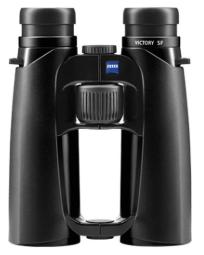
| 1) ZEISS Victory SF 8×42
|
|
|
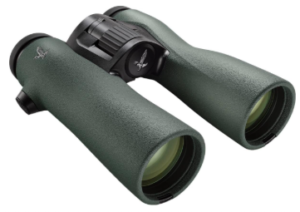
| 2) Swarovski NL Pure 8×42
|
|
|
| 3) Leica Ultravid HD-Plus 8×42
|
|
|
| 4) ZEISS Conquest HDX 8×42
|
|
|
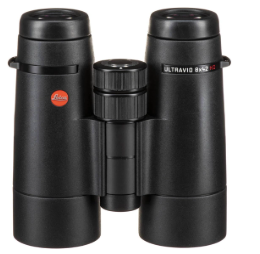
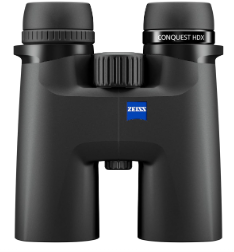
Advantages of 8×42 Binoculars
The 8×42 binocular configuration is widely regarded as one of the most user-friendly and versatile specifications available, offering a compelling combination of wide field of view, excellent low light performance, and forgiving handling characteristics that make it a favorite among beginners and experienced observers alike.
The 8x magnification provides a noticeably wider field of view compared to higher magnification options, making target acquisition significantly faster and more intuitive. This wider perspective is particularly valuable for bird watching where fast-moving subjects require quick panning and tracking, for sporting events where action happens across large areas, and for any situation where finding and following moving subjects matters more than maximum detail at extreme distance.
The 42mm objective lens paired with 8x magnification produces a generous 5.25mm exit pupil, larger than the 4.2mm produced by 10×42 binoculars. This larger exit pupil delivers noticeably brighter images in low light conditions like early morning, late evening, and overcast days, making 8×42 binoculars particularly excellent for dawn and dusk wildlife observation when animals are most active and lighting is most challenging.
Best 10×42 for Safari
| PRODUCT | KEY SPECS | LINKS |
| 1) Swarovski NL Pure 10×42
|
|
|
| 2) Leica Ultravid HD-Plus 10×42
|
|
|
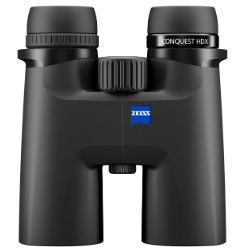
| 3) ZEISS Conquest HD 10×42
|
|
|
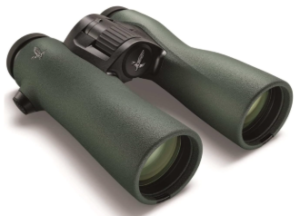
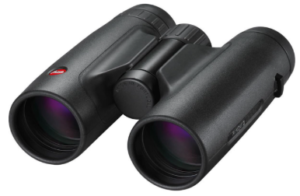
Advantages of 10×42 Binoculars
The 10×42 binocular configuration has become the most popular and widely recommended specification for good reason, offering an exceptional balance of magnification, light gathering, and practical usability across virtually every application.
The 10x magnification brings distant subjects significantly closer, making it ideal for hunting, bird watching, wildlife observation, and sporting events where detail at distance matters. This magnification level provides enough power to identify fine details like bird markings, animal antlers, or distant targets without crossing into the excessive magnification territory where image stability becomes problematic.
The 42mm objective lens diameter is the perfect complement to 10x magnification, gathering sufficient light for clear, bright images in low light conditions like dawn and dusk hunting hours when game is most active. This lens size produces a 4.2mm exit pupil, which matches well with the average human eye in moderate lighting conditions, delivering bright and comfortable viewing without unnecessary bulk.
The 10×42 configuration strikes the perfect balance between portability and performance. These binoculars are compact enough for all-day carry in the field without causing fatigue, yet powerful enough to handle serious observation tasks.
They work equally well for hiking, safari, marine use, astronomy, and general wildlife viewing, making them the ultimate versatile choice for anyone wanting one pair of binoculars that handles everything confidently and effectively.
Factors Influencing Choice Between 8×42 and 10×42 for Safari
When deciding on which pair of binoculars to take on safari, many wildlife enthusiasts have to come to a decision between 8×42 and 10×42 binoculars, and it’s a question that has multiple aspects to it, all of which depend upon practical factors that a safari offers.
- Environmental Factors
Viewing Distance and Terrain – There are large differences in the African safari terrain from dense bush to open savanna plains.
The additional magnification of 10×42 is valuable for species identification and determining behavior on open grasslands, such as the Serengeti, where animals are often viewed at a distance of 200-500 meters.
- Vehicle Stability
Most safari viewing takes place on moving or stationary vehicles on rough terrain, known as Vehicle Stability. Safari vehicles vibrate and move a great deal, which makes hand shake a lot more pronounced and the 8×42 much more comfortable and easier to use without image stabilization.
- Duration of Game Drives
The length of the game drives will usually take 3-6 hours and will need prolonged use of binoculars. The lower magnification and larger exit pupil of 8×42 makes it easier to watch for a long time, making you less tired and more alert in long trips.
- Low Light Performance
Early morning and late afternoon game drives go hand-in-hand with high wildlife activity as well as challenging lighting. The 8×42’s larger 5.25mm exit pupil will produce brighter images than the 10×42’s 4.2mm exit pupil during these important low light conditions.
FAQS
- Which is better for safari: 8×42 or 10×42?
For most safari-goers, 8×42 is the better overall choice because it offers a wider field of view, easier tracking of animals, and more stable viewing. However, 10×42 is better for seeing distant detail, especially in open plains like the Masai Mara or Serengeti.
- Is 10x magnification too much for safari?
Not necessarily. 10×42 is excellent for open landscapes, but it can feel slightly harder to hold steady and track moving animals compared to 8×42. Beginners often find 8×42 more comfortable.
- Why do many safari guides recommend 8×42?
Safari guides often prefer 8×42 because it allows faster spotting and smoother tracking of wildlife, especially in dense bush or when animals are moving quickly.
- Which performs better in low light (sunrise/sunset)?
Both are similar, but 8×42 has a slight advantage due to a larger exit pupil and easier eye alignment, making it more comfortable in early morning and dusk conditions.
Conclusion
In conclusion, the choice between 8×42 and 10×42 binoculars for safari ultimately comes down to how you want to experience wildlife.
The 8×42 stands out as the most versatile option, offering a wider field of view, easier tracking, and greater stability, making it ideal for most safari-goers and beginners.
10×42, on the other hand, excels in bringing distant subjects closer, making it perfect for open plains and dedicated birders.
Both are excellent in their own right, but for a balanced, comfortable, and immersive safari experience, 8×42 is generally the safer and more enjoyable all-round choice.
Also Check Out: 7 Best Binoculars in South Africa